|
|
|
|
Families First: what local authorities need to know
By March 2027, local partnerships across England must have fully integrated Family Help services in place. These will to bring agencies together to deliver earlier, more coordinated support for children and families.
Evidence continues to show a strong link between financial hardship and children's outcomes. Practitioners that can identify families experiencing financial stress before problems escalate can build a more complete picture of need, improve multi-agency decision-making and target preventative support where it will have the greatest impact.
Councils and partners can learn how they can share data, identify risk and deliver joined-up services that help families thrive while reducing pressure on frontline teams.
- Read our latest blog to explore the Families First reforms, the role of financial hardship in safeguarding and the practical steps local authorities can take to prepare for March 2027.
- Join our webinar on Wednesday 9 September to explore how LIFT (Low Income Family Tracker) and MAST (Multi Agency Safeguarding Tracker) help organisations identify vulnerable families earlier, strengthen multi-agency collaboration and deliver coordinated support.
|
|
|
|
|
|
|
|
Preventing poverty through earlier intervention
|
|
|
New analysis from the Joseph Rowntree Foundation has highlighted the growing financial pressures facing low-income households, with many struggling to afford essentials and participate fully in everyday life. Beyond the immediate impact on families, financial hardship also places increasing pressure on public services, affecting children's education, older people's health, and demand for housing, health and social care.
|
|
|
|
|
|
A preventative, data-led approach not only improves outcomes for residents but also makes better use of public money. By helping people access support earlier and targeting assistance where it is needed most, local authorities can reduce long-term costs while building stronger, more resilient communities.
Listen back to Deven Ghelani speaking with Simon Marks on LBC Radio to hear about youth unemployment, energy relief and local council innovation.
|
|
|
|
|
|
Can the UK lower its £333 billion welfare bill without driving up poverty?
|
|
|
Deven Ghelani, recently joined BBC Radio Wales to explain why short-sighted welfare cuts backfire.
Having analysed the welfare state for 15 years, Deven warned that crude cuts do not save money long-term. Instead, they simply leave sick people to get sicker, pushing costs away from the top-line welfare bill and directly onto local councils and the NHS.
|
|
|
|
|
|
Deven highlighted:
- Why cutting specific tiers of support has actually cost the taxpayer more in the long run
- The binary policy trap that is currently pushing vulnerable people further away from employment
- How central government cuts simply shift massive financial pressures directly onto local councils and the NHS
|
|
|
|
Supporting independence through smarter disability reform
|
|
|
As discussions around Personal Independence Payment (PIP) reform continue, one key opportunity is to shift the conversation from assessing what people can't do to understanding what would help them stay independent for longer.
Practical interventions, such as home adaptations or specialist equipment, can improve quality of life while reducing long-term demand for ongoing support. It is an approach that has the potential to deliver better outcomes for disabled people, public services and taxpayers alike. Deven Ghelani joined Iain Dale and Nick Ferrari to discuss.
|
|
|
The Times examined the sharp rise in PIP claims among young people and the importance of helping teenagers build independence rather than long-term reliance on benefits. Deven shared why the current assessment is no longer fit for purpose and argued that better support is key to helping more young people move into work.
|
|
|
|
|
|
|
|
|
|
|
Wrexham and Pembrokeshire Councils are using LIFT to identify families missing out on Free School Meals and the School Essentials Grant. By matching benefits and education data, the councils generated hundreds of new claims, secured additional funding for schools, and, in Wrexham, became the first authority in Wales to auto-enrol eligible pupils. Read more
|
|
|
|
|
|
|
Aberdeen City Council used LIFT to identify households affected by the benefit cap who were missing out on Discretionary Housing Payments and awarded £43,000 to 26 households. This reduced fuel poverty, improved financial resilience and helped families sustain their tenancies. Read more
|
|
|
|
|
|
|
Lewisham Council has launched a series of employment workshops to help residents move into work by combining employment and welfare support. Using LIFT and Campaign Manager, the team identified eligible households and contacted residents directly, ensuring support reached those most likely to benefit. Read more
|
|
|
|
|
|
Welcome to our new clients
|
|
|
|
|
|
|
Stay in the know with our webinars
|
|
|
Supporting Families First and Best Start Hubs with LIFT & MAST: Delivering better outcomes through integrated safeguarding and welfare solutions
Wednesday 9 September 10:30 - 11:30
Register here
|
|
|
|
|
The LGR playbook: Stabilising services, modelling council tax and allocating Crisis and Resilience Funding
Watch on demand here
|
|
|
|
|
Sector events
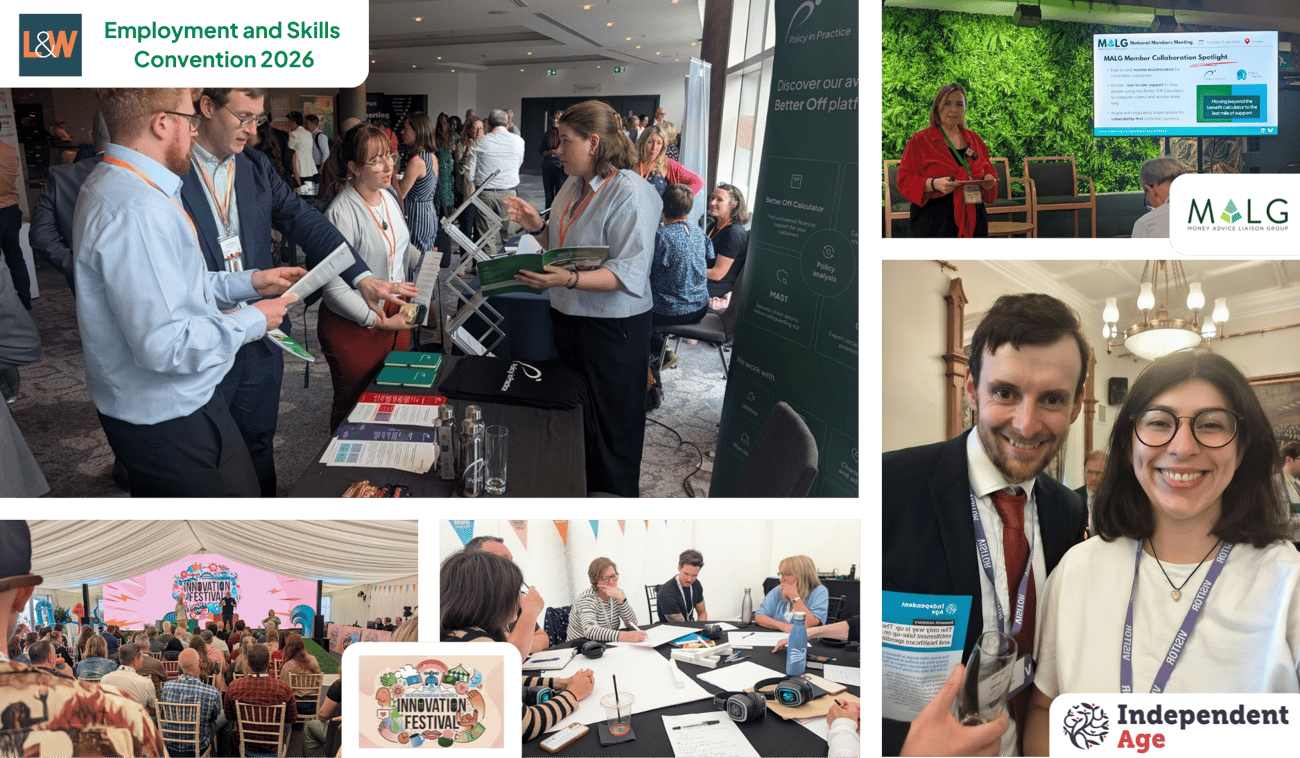
You may have seen us at a few events in July: we were at the Employment and Skills Convention, the IRRV Golf Association Day and Sponsors Cup, the LGA Annual Conference, the NWG Innovation Festival, the MALG AGM & National Members Meeting and Independent Age's Parliamentary reception launching their latest research with Public First. If we met at any of those events, we would love to continue the conversation.
Book a call with us here.
|
|
|
|
|
|
|
Updates across the Better Off Platform
|
|
|
LIFT: Enhanced impact tracking and expanded strategic views
This month we launched the beta version of Outcome Tracker in our new LIFT dashboard. Designed to help teams measure the impact of interventions on residents and council services, the tool provides clear longitudinal analysis of support delivered, including income gained, benefit take-up and changes in arrears or employment status.
We have also expanded our dashboard views to inform broader strategic planning across teams:
- County and Joint Services View: Supports county councils and local authorities navigating Local Government Reorganisation by providing a unified view of high-level poverty trends across district boundaries to guide regional strategy.
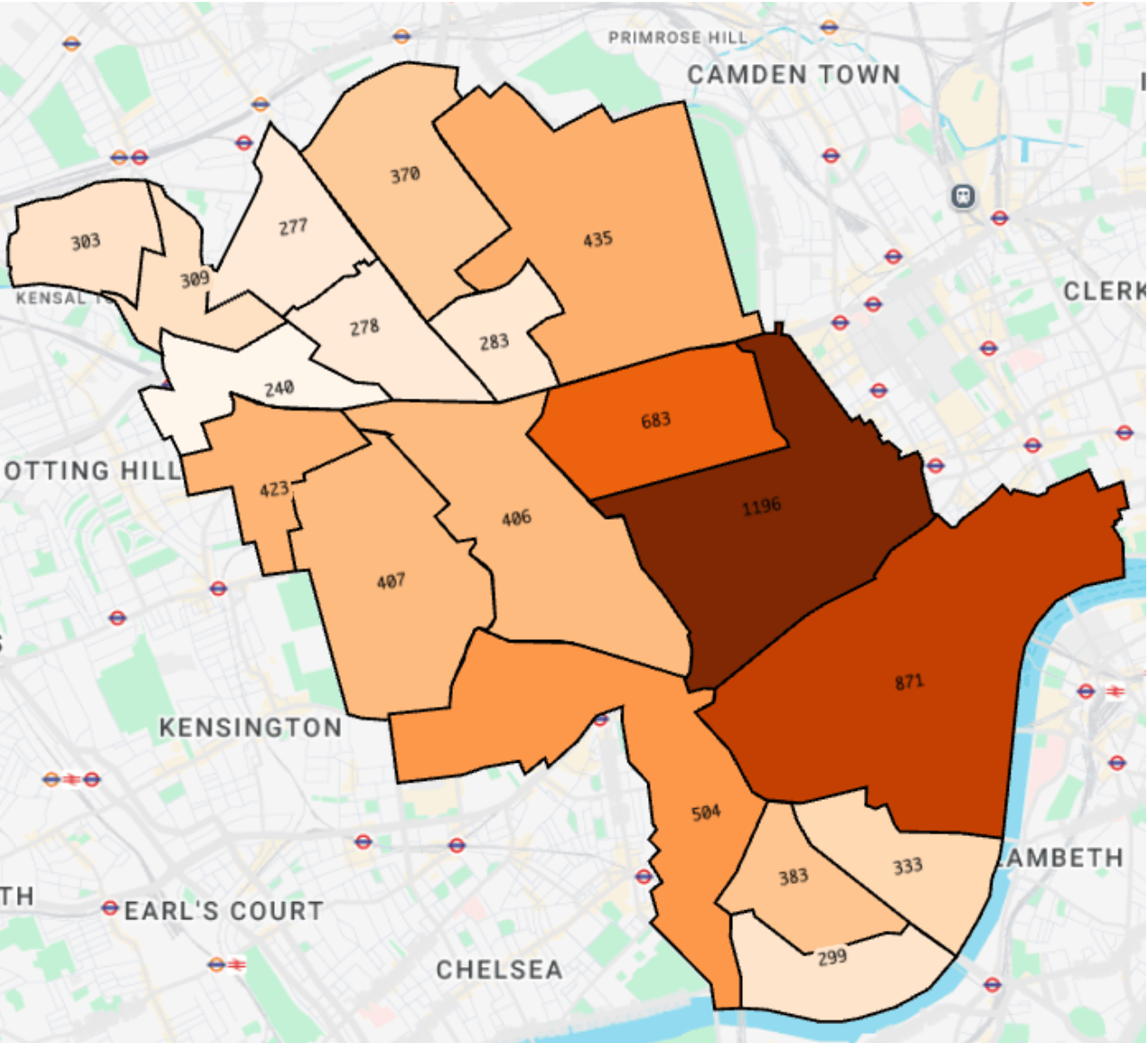
- Ward View: Delivers aggregate local data to support strategic decision making alongside restricted access roles so council departments and partner organisations can collaborate and view information safely without accessing sensitive household details.
Thank you to all the clients who have shared feedback on this beta release. If you are a LIFT client and have not yet transitioned to the new dashboard, reach out to your Client Services Manager to schedule a walkthrough.
|
|
|
|
|
Better Off Calculator: Bringing benefit eligibility to the heart of affordability checks with inicio AI
|
|
|
Income maximisation is now seamlessly built into inicio AI with our Better Off Calculator. The integration is able to bring benefit eligibility checks directly into Income and Expenditure (I&E) assessments, transforming outcomes for organisations, advisers and the people they support.
Traditionally, an affordability assessment yields two outcomes: sufficient or insufficient disposable income. By embedding benefit eligibility checks directly into the flow, this integration can add two vital new pathways:
- Insufficient disposable income + Benefit eligibility: Connect the individual with unclaimed support and set up a deferred payment plan to begin once financial help arrives.
- Sufficient disposable income + Benefit eligibility: Establish a repayment plan while also boosting household income, making the plan far more sustainable or allowing the individual to clear debt faster.
By turning a routine affordability check into an opportunity for income maximisation, organisations can reduce plan breakages, lower their cost to serve and help households build long-term financial resilience. Across similar integrations, embedding our indicator has uncovered hundreds of pounds a month in extra support for individuals in financial difficulty, demonstrating how social impact and operational efficiency go hand in hand.
|
|
|
MAST: Policy in Practice responds to DfE information sharing duty consultation
Policy in Practice has submitted its response to the Department for Education’s (DfE) consultation on the draft statutory guidance and data sharing template for the new information sharing duty. The new duty aims to promote consistent data practices and support a cultural shift across safeguarding partnerships.
While we strongly support the DfE's objective to improve multi-agency data flows, our submission outlines technical recommendations to ensure the framework fully supports modern digital infrastructure like Policy in Practice’s MAST.
We recommend that the final guidance:
- Clarifies digital governance: Includes specific guidance on how data privacy principles apply to automated systems, recognising that platform-based data sharing is compliant when strong technical and access controls are in place.
- Sets clear response targets: Establishes clear expectations for safeguarding response time targets between agencies so frontline staff can access vital data without delay.
- Provides practical templates: Delivers fully drafted and operational data-sharing templates for common automated systems, helping local partnerships reach go-live quicker.
The new information-sharing duty will officially apply from September 2026.
|
|
|
|
|
|
|
Who suffers when safeguarding data stays put? Why data sharing saves lives
We responded to the Department for Education’s consultation calling for guidance to be digital-led. This provides a pivotal opportunity to shape the future of child protection and safeguarding as a whole.
Read blog
|
|
|
Families First: Are you ready for the March 2027 deadline?
With over £800 million in new funding, the UK Government is telling key safeguarding agencies that they must prioritise preventative support. This blog explains how local partnerships can improve multi-agency data-sharing on a tight timeline.
Read blog
|
|
|
Tackling pre-pensioner poverty: The critical policy interventions needed now
The 2026 Work and Pensions Committee report on State Pension age calls for urgent reform. Here's what it got right, what it missed, and what still needs to change.
Read blog
|
|
|
|
|
Open roles at Policy in Practice
- Senior Software Engineer (Better Off Calculator)
- Senior Software Engineer (Low Income Family Tracker)
- Software Engineer (Low Income Family Tracker)
- VP of Engineering
- Business and Account Manager
- Client Services Manager
- PR, Communications and Content Manager
Read more about our open roles and join our talent pool at policyinpractice.co.uk/careers
|
|
|
|
|
|
|
Our Missing Out 2026 report will provide the latest analysis of unclaimed benefits and support across England, Wales and Scotland, helping policymakers, local authorities and organisations understand the scale of the problem and where action can make the biggest difference.
The report will estimate how much support is being missed across 12 benefits and support schemes, who is most affected, and what practical steps can improve take-up. It will also show how better use of data, targeted engagement and existing tools can help identify need, increase incomes and reduce pressure on public services.
Register your interest here.
|
|
|