|
|
|
|
Top stories
New analysis: How income varies throughout the year for Universal Credit households
Income volatility severely impacts low income families on Universal Credit, making budgeting and planning difficult. Even small earnings fluctuations can affect household budgets, benefits, and council's administration and billing. In a new study, funded by the Joseph Rowntree Foundation, we show the extent of income volatility among a subset of Universal Credit recipients.
We found that nearly a third of Universal Credit households experience income volatility. While Universal Credit helps stabilise earnings for working households, sanctions and deductions worsen financial instability. This volatility can also affect entitlement to other benefits and local support eligibility.
Read Cheques and imbalances
New analysis: How data can improve access to social tariffs
Eight million low income households miss out on £2.7 billion in vital support for water, energy and broadband bills, despite existing data sharing tools that could automate access. Our new report, published with Citizens Advice, IPPR and funded by abrdn Financial Fairness Trust, highlights how utilities are using data to boost social tariff take up. With water bills set to rise by up to 47% by April 2025, urgent action is needed to ensure families get the support they deserve. Case studies include South West Water, Anglian Water, Thames Water and British Gas Energy Trust.
Read Art of the possible
Watch Deven Ghelani discuss rising utility bills and unclaimed social tariffs on itv and LBC
New analysis: Automating access to water social tariffs report
Our third report this month explores Thames Water’s pilot project with Richmond and Wandsworth Councils to identify and auto enrol households struggling with water bills onto social tariffs.
Of 2,934 customers in arrears, 42% (1,234 households) qualify but aren’t claiming support. In March, they will be auto enrolled, saving £316 per household annually and over £390,000 in total. With rising bills, an additional 345 households could be added from April, increasing average savings to £420 and the total impact to £664,000. Including 624 households at risk of arrears could push total savings beyond £930,000.
This pilot highlights how proactive data driven solutions can ensure more households get the support they need and arrears are reduced.
Read Automating access to water social tariffs
Key welfare reforms in the Spring Statement
The Spring Statement introduced significant changes to Universal Credit and disability benefits, including stricter eligibility for Personal Independence Payments and a freeze on the LCWRA award for existing claimants. These reforms could leave over a million disabled people without vital support.
Policy in Practice has analysed all councils to show the likely economic impact of these reforms in each local authority. Councils using our LIFT platform can identify individual households at risk of losing out, allowing them to offer proactive support. Request this analysis for your council at hello@policyinpractice.co.uk.
Deven Ghelani discussed these changes in recent media interviews, urging councils to proactively engage with residents. In his conversations on BBC Radio 4’s Money Box, Times Radio and LBC, he highlighted key concerns and stressed the importance of data driven approaches.
Read Reforming benefits and support to get Britain working: What the changes to sickness and disability benefits mean
|
|
|
|
|
|
|
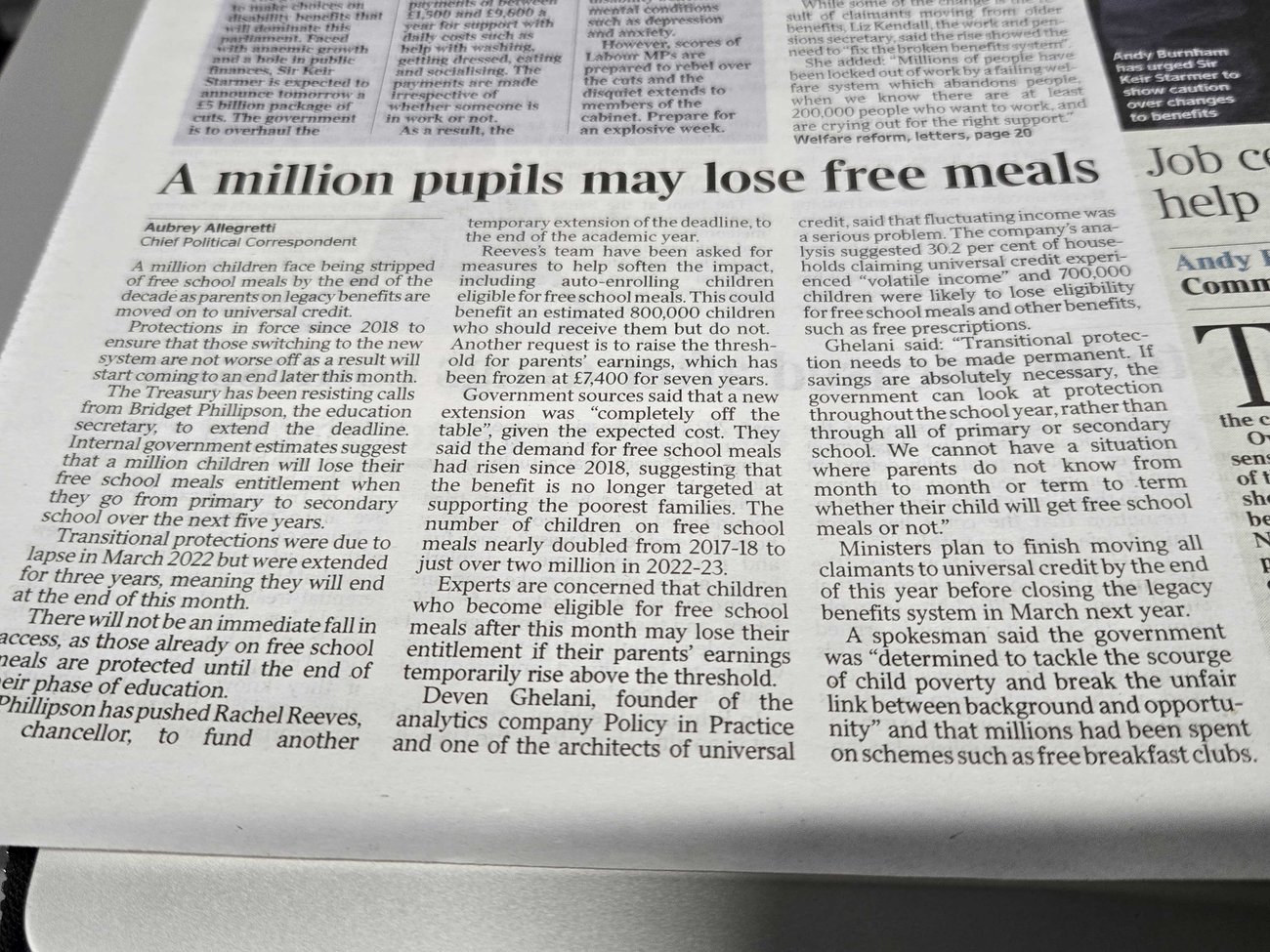
A million children may lose free school meals
Income volatility could cause up to a million children to lose access to free school meals (FSM), as families on Universal Credit move in and out of eligibility. The Times covered our work highlighting the importance of retaining FSM for people on Universal Credit as their earnings fluctuate.
We’re proud to scale up FSM auto enrolment campaigns across multiple local authorities, delivering hundreds of thousands of pounds in pupil premium funding. If transitional protection is removed, around 450,000 households (700,000 children) will face eligibility changes throughout the year.
Read more
|
|
|
|
|
|
|
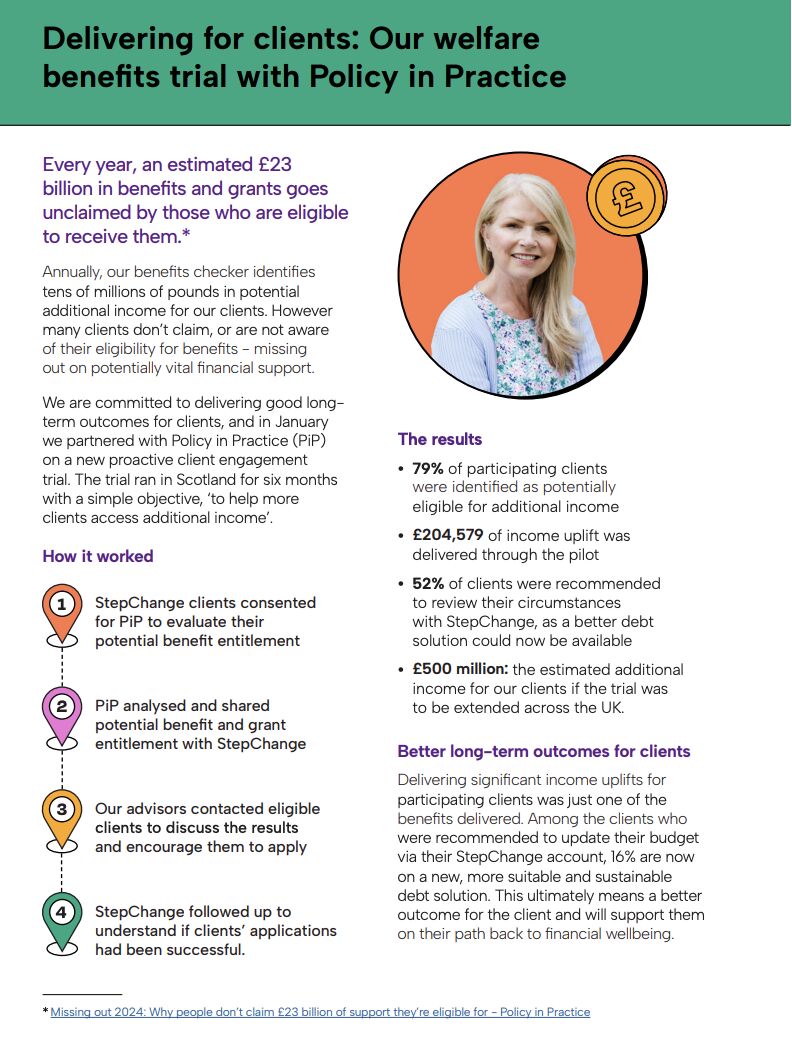
Highlighting the impact of our clients during Debt Awareness Week
We were delighted to support Stepchange’s Debt Awareness Week in March by sharing a clip from Vanessa Northam who spoke recently about the proactive identification of missed benefits they’ve done for clients. The impacts have been lifechanging, as shown in the graphic below.
Congratulations also to Match the Cash Ltd who hit a milestone in March of having just over 2,000 households, who they determined credit would not provide a good outcome, access the Better Off Indicator. Over 1,200 of these are eligible for benefits worth over a combined £1 million. For some, this newly identified income could alleviate financial pressures, providing an alternative solution to increased indebtedness.
|
|
|
|
|
|
|
LIFT helps Gravesham Borough Council and Southern Water collaborate to save residents £177 on water bills
This month, Gravesham Borough Council shared the results of a data driven campaign with Southern Water to identify residents eligible for lower water tariffs but not claiming them. By using Policy in Practice’s LIFT platform, the council and water provider joined forces to help over 3,200 residents save a total of £570,000 on their water bills.
Read more
|
|
|
|
|
Cotswold Borough Council leads the way in building the financial strength of Gloucestershire residents
Cotswold Borough Council made headlines with the success of its income take up campaign, helping vulnerable residents secure over £88,000 in unclaimed support. Using data driven insights from its LIFT platform, the council identified 22 older residents eligible for Pension Credit and Winter Fuel Payments but not claiming them. As the first local authority in Gloucestershire to use LIFT, the council’s proactive approach showcases the power of data in building financial resilience.
Read more
|
|
|
|
|
Healthy Start campaign helps London families access £10 million to feed their children
Over 250,000 children in London face food insecurity, yet low income families miss out on £9.9 million in Healthy Start support each year. To bridge this gap, the Greater London Authority partnered with Policy in Practice and 13 boroughs (and counting) in a digital campaign to boost the take up of the scheme.
Backed by the Mayor of London, this is one of the first major Healthy Start campaigns to use both digital and paper communications. The campaign was made possible by Campaign Manager, a new feature in our LIFT platform launched this month, which enabled councils to send over 12,000 letters and 12,000 text messages directly to eligible families. A survey gathering insights from residents is also helping to shape future support.
Early results show a positive impact, with families sharing how the support has helped:
🍏 “It’s the help to buy good quality food for my kids. I have 4 sons - thank you so much.”
🥛 “Healthy Start is a great help - now my child is drinking cow’s milk!”
🍊 “I’m very grateful to receive support as it really helps, especially with the cost of living crisis and being a lone parent. It’s great that I can receive help to make sure my children eat healthy too.”
🥦 “It’s been amazing. Allowing me to ensure my 3 year old gets fruits and vegetables as part of her 5 a day, giving me the opportunity to get more value for the money.”
🍎 “Thank you for the constant reminders to apply because £280 a year that covers food for children is needed. Thank you.”
🍌 “It’s great that text messages can be sent out just in case people are unaware of the benefits they could get.”
Ask us about running Healthy Start take up campaigns in your region here
|
|
|
|
|
|
|
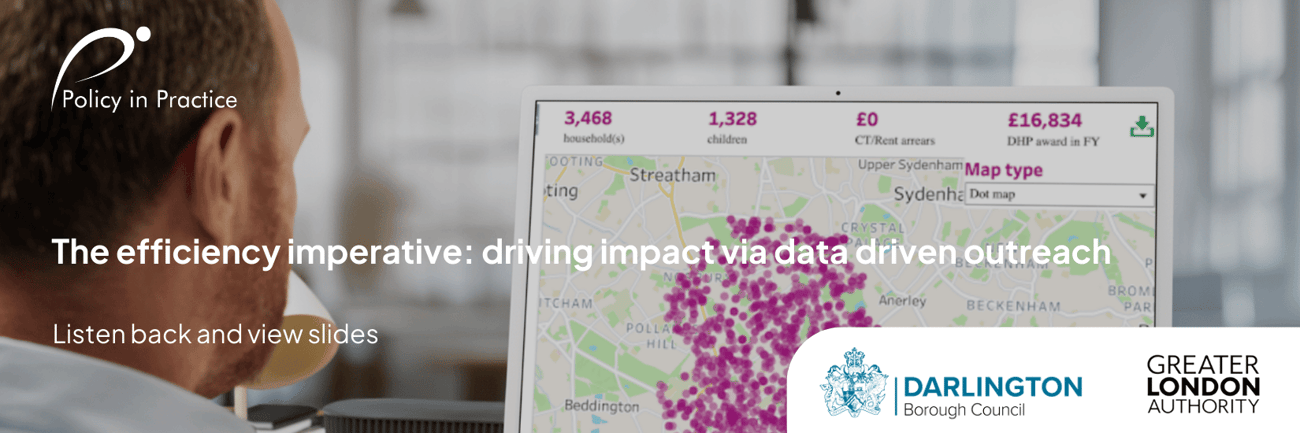
View March's webinar on demand
|
|
|
|
|
|
|
|
|
|
|
|
Harnessing technology to tackle poverty: highlights from March events
|
|
|
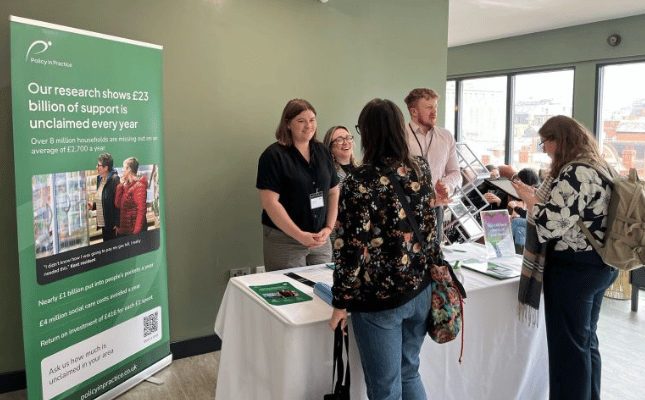
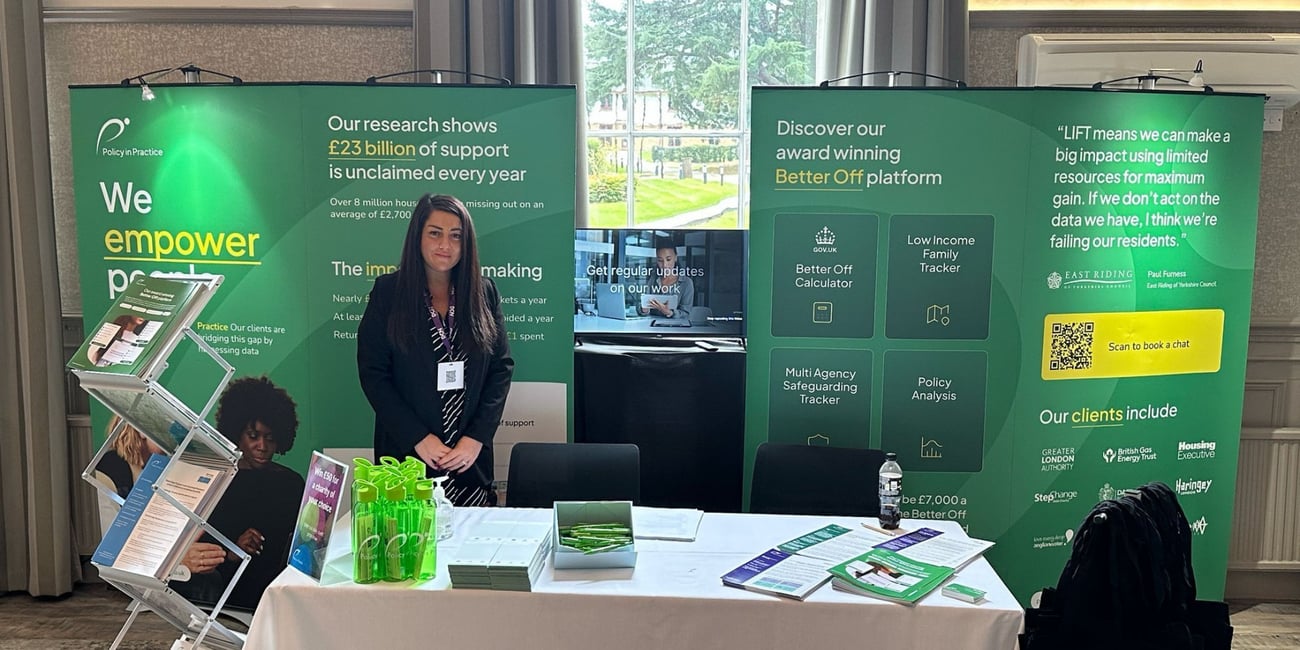
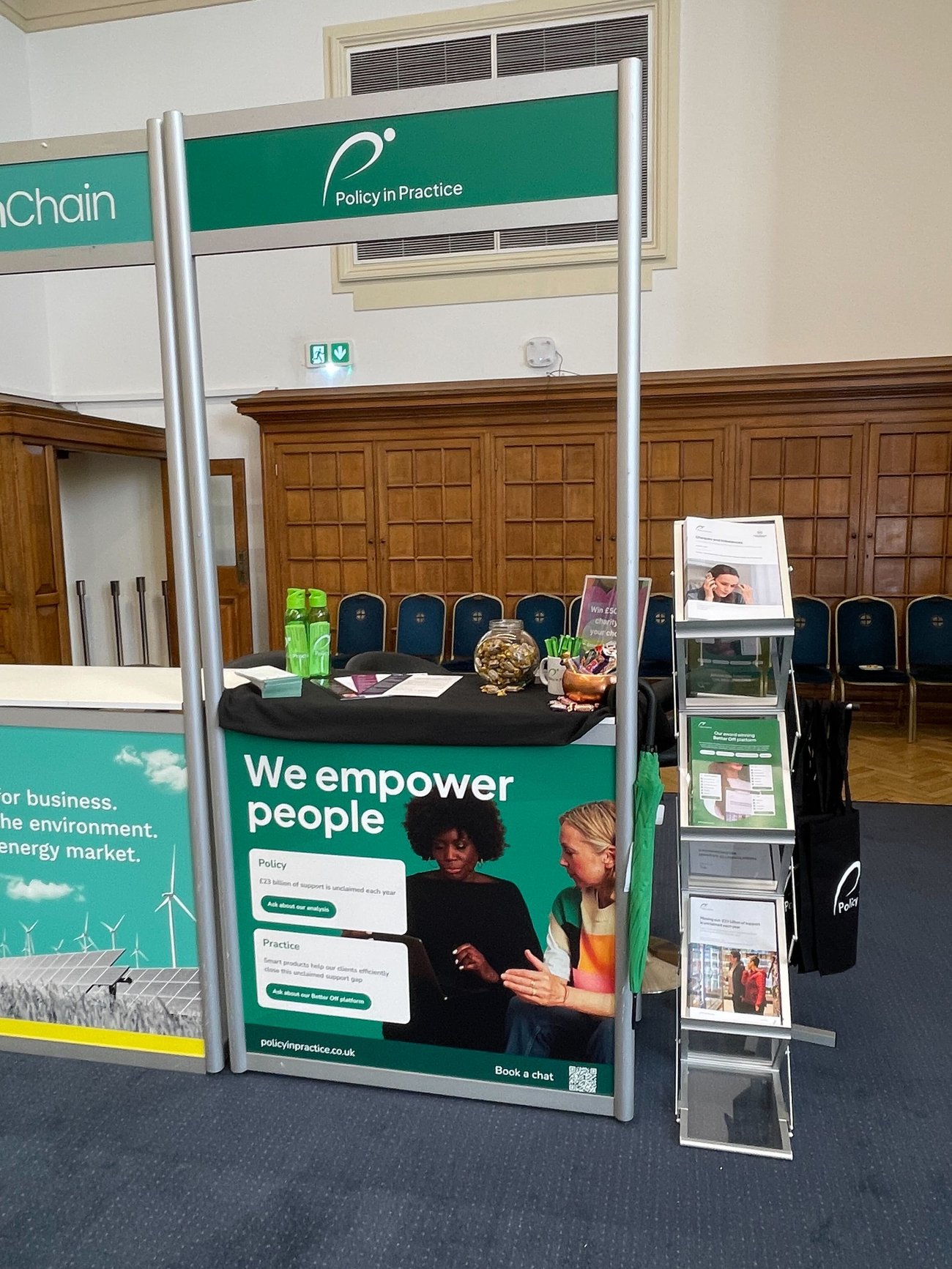
March was a busy month for Policy in Practice as we exhibited at three major events, connecting with policymakers and council leaders to showcase how our Better Off platform transforms policy insights into action.
- At the Resolve Poverty conference we demonstrated how councils can use LIFT’s data analytics to identify households struggling financially and proactively connect them with unclaimed benefits, helping to turn policy ambitions into real world impact
- At the District Councils’ Network Conference, we spoke with district council leaders about how our technology is helping tier two councils navigate welfare reform, target support more effectively and measure policy impact over time, giving councils the tech-powered insights they need to make informed decisions
- At the GovTech Summit we showcased how the Better Off platform’s smart automation and targeted outreach tools, like our new Campaign Manager, enable councils to deliver better financial resilience support at scale
As organisations look for smarter ways to tackle financial vulnerability we’re proud to offer the technology and policy expertise to help them do it. Ask us how the Better Off platform can empower your organisation.
|
|
|
|
|
|
|
|
|
|
|
|
|
Stay informed: join our upcoming free webinars
|
|
|
|
|
Protecting vulnerable consumers in the finance sector
Wednesday 30 April from 10.30 to 11.45. See details and register
|
|
|
|
|
Harnessing data for regional impact: empowering local leaders to drive change
Wednesday 21 May from 10.30 to 11.45. See details and register
|
|
|
|
|
|
Catch up on our recent blogs
|
|
|
|
|
With the cost of essential services rising sharply, water bills alone are projected to increase by up to 47% from April 2025 and millions of households are struggling to cope. Yet across the UK, 8 million families are missing out on £3 billion worth of social tariffs that are specifically designed to ease the burden of energy, water and broadband bills.
The good news is that innovative approaches using targeted data and automated processes are proving that access to these essential discounts doesn’t need to be this difficult.
|
|
|
|
|
|
|
Following the government’s latest announcement on sickness and disability benefit changes, we discussed the key revisions and their impacts on BBC Moneybox.
In this blog post we recap and outline what councils should be doing before the reforms come into effect.
|
|
|
|
|
|
|
Following the government’s latest announcement on sickness and disability benefits, we’ve outlined the key changes that could impact you.
These changes only apply to working age people. People of pension age won’t be affected. Some proposals are still under consultation, meaning decisions are yet to be finalised. Others have been confirmed but don’t yet have a set start date.
This blog focuses on the confirmed changes that will definitely take place.
|
|
|
|
|
|
|
Income volatility can have serious consequences for low income families on Universal Credit, affecting their ability to budget and plan. When earnings fluctuate from month to month, even small changes can impact household budgets and benefit awards, and the way councils handle administration and billing.
In a new study funded by the Joseph Rowntree Foundation, we show the level of income volatility faced by a subset of households receiving Universal Credit.
|
|
|
|
|
|
|
|
|
Come and work with us at Policy in Practice
Open roles:
- Media and Campaigns Manager
- Client Services Manager
- Senior Software Engineer
- Software Engineer
We’re always looking for people who want to drive change and make a difference. The compelling work we do, plus the attractive package and career prospects we offer, make Policy in Practice a great place to work.
|
|
|
|